How to Choose the Perfect Air Compressor for Your Workshop: A Comprehensive Guide
Release time: 2025-10-24
When setting up a workshop, one of the most important decisions you’ll make is choosing the right air compressor. Whether you’re working on DIY projects, automotive repairs, or woodworking, an air compressor is essential for powering tools like impact wrenches, spray guns, and pneumatic sanders. However, selecting the best air compressor for your specific needs can be a daunting task, given the numerous models and specifications available in the market.
In this article, we’ll guide you through the process of choosing the perfect air compressor for your workshop by discussing key factors such as CFM, tank size, horsepower, power source, and more.
What Is an Air Compressor?
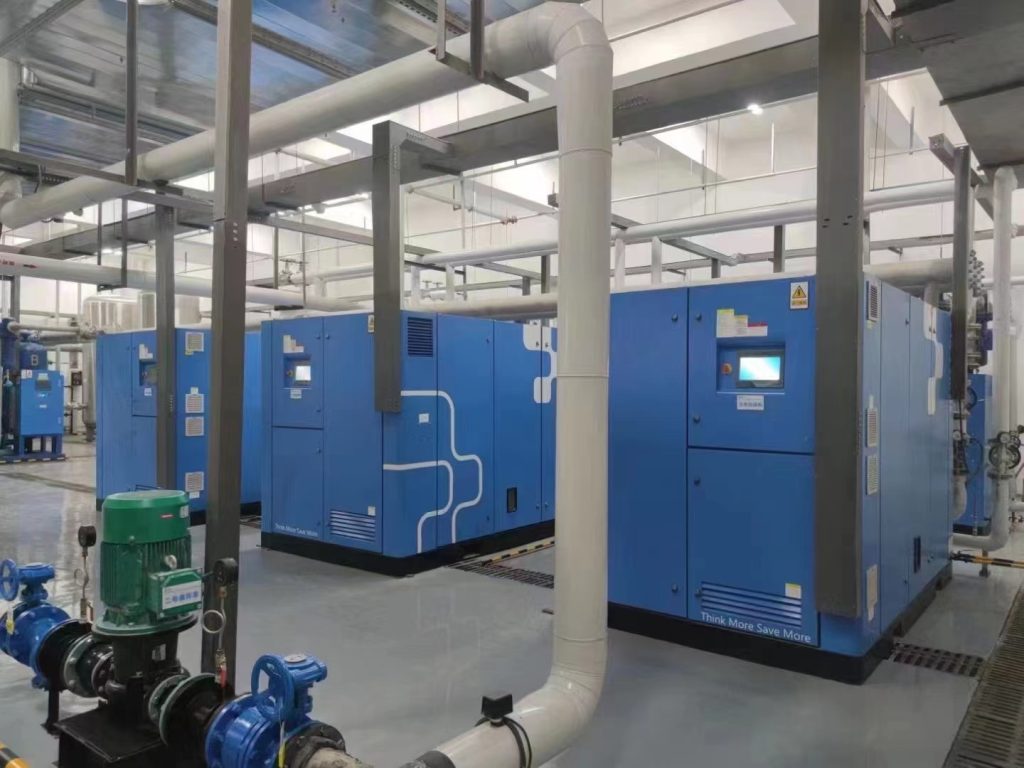
An air compressor is a versatile tool that converts power (typically from an electric motor or gasoline engine) into potential energy stored as compressed air. This air is then used to power tools, machinery, and other processes that require air pressure. Air compressors come in different types, sizes, and power levels, each suited to specific tasks. To choose the right one, you need to understand how different features impact performance.
Types of Air Compressors
Before diving into specifics, it’s essential to know the different types of air compressors and their uses:
- Reciprocating Compressors: These are ideal for small workshops and DIY enthusiasts. They are commonly used for tasks that don’t require continuous high-pressure air supply, such as inflating tires or running small pneumatic tools.
- Rotary Screw Compressors: Best suited for larger, industrial workshops where continuous operation is needed. These compressors are more energy-efficient and quieter than reciprocating compressors, making them suitable for extended use.
- Centrifugal Compressors: Typically used in large industrial applications, these compressors are designed to provide high-pressure, high-volume air for specialized tasks.
Key Factors to Consider When Choosing an Air Compressor for Your Workshop
Choosing the right air compressor requires considering several key factors to ensure it matches your needs. Below, we discuss the most important aspects to keep in mind.
1. Airflow Requirement (CFM)
The CFM (Cubic Feet per Minute) rating indicates the amount of air the compressor can deliver each minute. CFM is crucial because it determines how effectively your compressor can power various tools. For instance:
- Nail guns require about 1-2 CFM.
- Spray guns can require 6-8 CFM.
- Impact wrenches typically need 4-5 CFM.
To ensure optimal performance, always select a compressor with a CFM rating that meets or exceeds your tools’ requirements. Opt for a model with a slightly higher CFM to allow for uninterrupted tool operation.
2. Tank Size
The tank size determines how long the compressor can run before it needs to refill. If you plan on using tools that demand a continuous flow of air, a larger tank is essential. Here’s a quick guide on what tank size works best for different needs:
- Small jobs: 1-6 gallon tanks are sufficient for intermittent use.
- Medium jobs: 10-20 gallon tanks work well for tasks like painting or air-powered sanders.
- Heavy-duty use: Tanks over 30 gallons are needed for large tools or commercial-grade tasks.
3. Horsepower (HP)
The horsepower rating of an air compressor affects its overall capacity. A higher HP compressor can provide more air, enabling it to handle larger air tools or run for longer periods without overheating. However, HP alone doesn’t always reflect a compressor’s performance; CFM and tank size are often more accurate indicators.
For small to medium tasks, a compressor with 1-2 HP should be sufficient, but for continuous or heavy-duty tasks, opt for a compressor with 3-5 HP or higher.
4. Power Source (Electric vs. Gas)
Air compressors are typically powered either by electricity or gasoline. Here’s what to consider when selecting the right power source:
- Electric compressors: These are quieter, cleaner, and require less maintenance, making them suitable for indoor use. They are perfect for workshops that have access to electrical outlets.
- Gas-powered compressors: These compressors are best for outdoor jobs or in areas without reliable electricity. They tend to be louder but offer mobility and independence from power outlets.
For most indoor workshops, electric air compressors are the preferred choice due to their ease of use and quiet operation.
5. Portability
If your workshop requires you to move your air compressor around frequently, portability becomes a key factor. Look for a model that is lightweight and comes with wheels or a handle for easy transport. Smaller, portable compressors are also excellent for mobile repairs or jobs on the go.
6. Noise Level
While noise is an often-overlooked factor, it can become an issue in enclosed or shared spaces. Air compressors can produce loud, continuous noise, so consider a model that offers noise reduction features. Some modern compressors come equipped with soundproof enclosures or quieter operation designs.
7. Duty Cycle
The duty cycle of an air compressor refers to how long it can run before it needs to cool down. A higher duty cycle allows for more continuous use without overheating. If your workshop tasks require consistent air pressure for extended periods, select a compressor with a higher duty cycle.
A typical 50-60% duty cycle is sufficient for light to moderate use. However, for more demanding projects, look for compressors with a 75-100% duty cycle.
8. Price and Warranty
Investing in a quality air compressor can save you money in the long run by reducing maintenance costs and increasing reliability. While it may be tempting to go for a budget-friendly model, ensure that the compressor offers good warranty coverage. Warranties of 2-5 years are standard, with some offering additional support for parts and labor.
Choose the Right Air Compressor for Your Workshop
Choosing the perfect air compressor for your workshop can greatly enhance your productivity and ensure you have the power needed for various tasks. By evaluating factors like CFM, tank size, horsepower, power source, and noise level, you can make an informed decision that meets your needs.
Remember, the right air compressor should not only fit your current tasks but also be versatile enough to handle future projects as your workshop grows. Whether you are a hobbyist, a professional mechanic, or a contractor, having the best air compressor will make your job easier and more efficient.