Beginner’s Guide: Understanding the Basics of Two-Stage Screw Air Compressors
Release time: 2025-11-21
In the world of industrial machinery, air compressors are essential tools used in numerous applications, from manufacturing and automation to maintenance and repair. Among the different types of air compressors, two-stage screw air compressors stand out due to their efficiency and reliability. This article serves as a beginner’s guide to understanding the basics of two-stage screw air compressors, including how they work, their benefits, and key factors to consider when choosing one for your business or project.
What is a Two-Stage Screw Air Compressor?
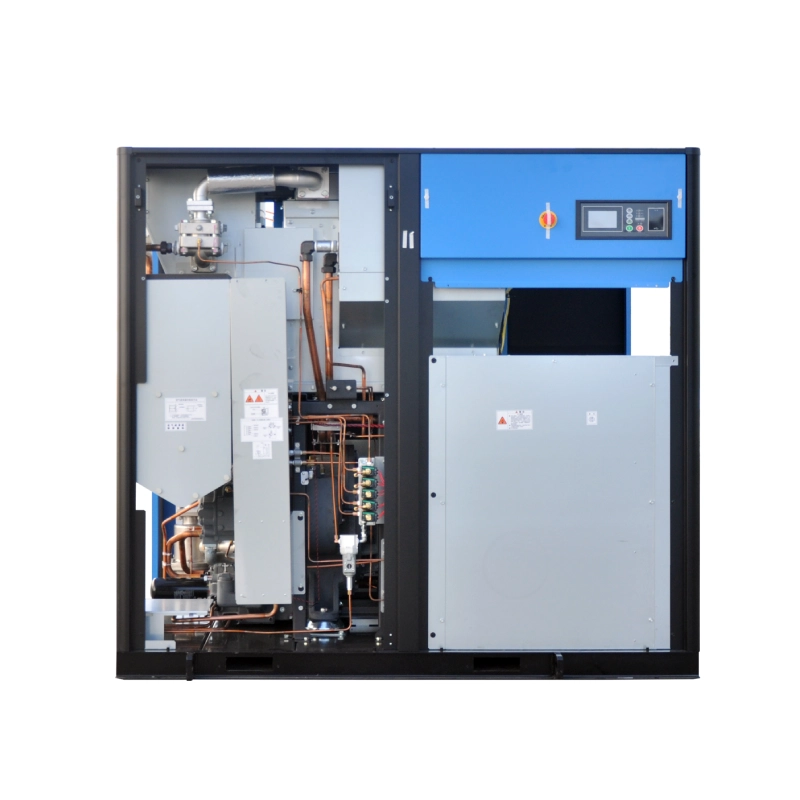
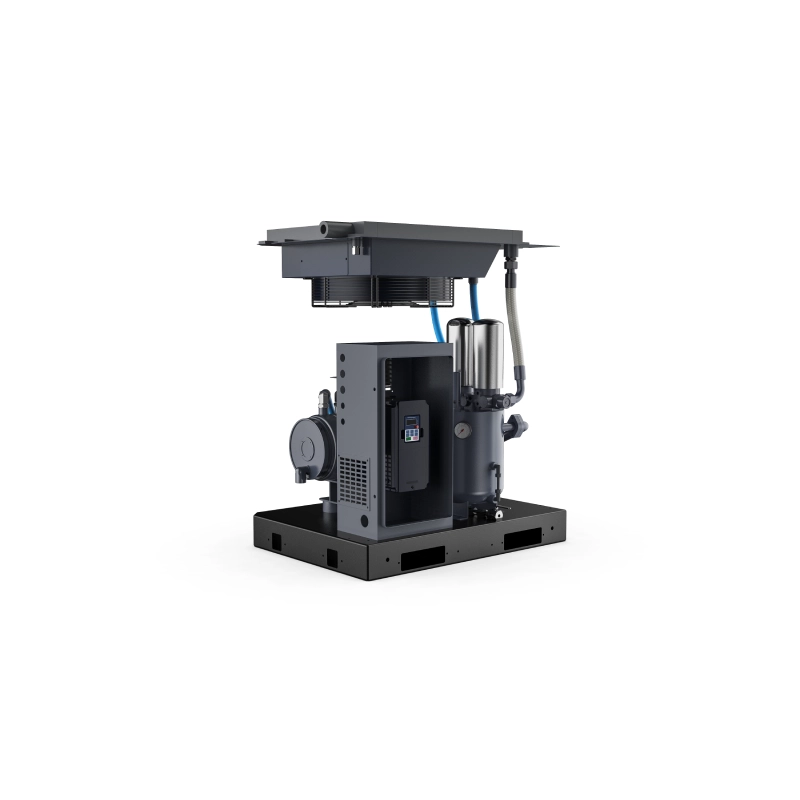
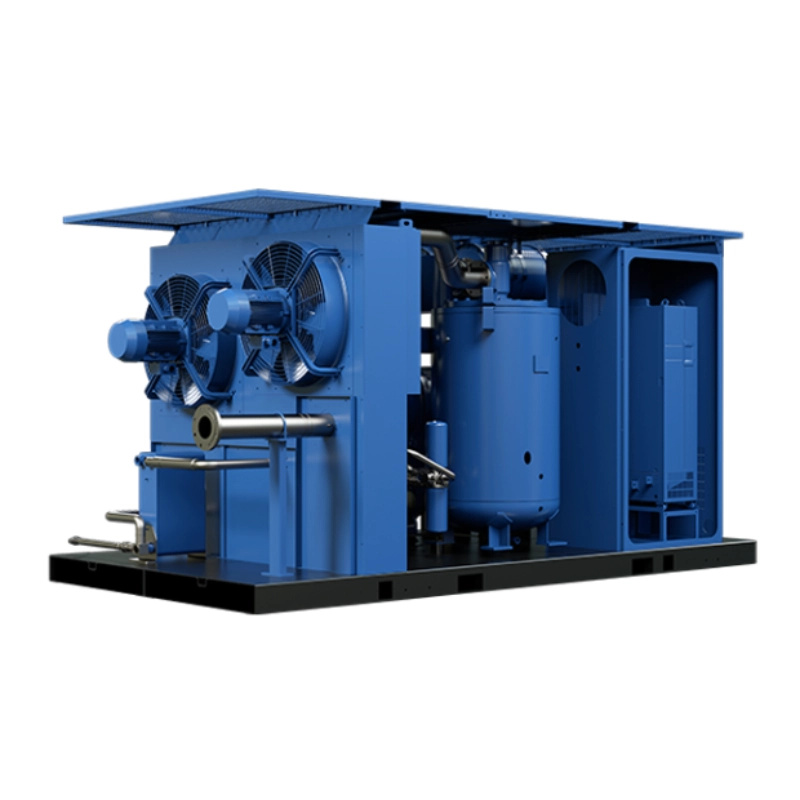
A two-stage screw air compressor is a type of positive displacement compressor that compresses air in two stages. It uses two rotors, or screws, to draw in and compress the air, which is then released at a higher pressure. The two-stage process involves compressing the air in two separate stages, typically utilizing two sets of rotors or screws, one for each stage. This process provides better performance and efficiency compared to single-stage compressors.
How Does a Two-Stage Screw Air Compressor Work?
A two-stage screw air compressor operates by compressing air through two distinct stages:
- First Stage: Air is drawn into the compressor’s intake through a filter. The air is then pushed into the first rotor chamber where one rotor (the male rotor) and another rotor (the female rotor) mesh together. The air is compressed as it moves through the chamber, where it is then pushed to the second stage.
- Second Stage: The air moves from the first rotor chamber into the second stage, where it undergoes further compression. The air is heated in the first stage, and before entering the second stage, it typically passes through an intercooler to reduce its temperature. This cooler air is then compressed further by the second set of rotors, allowing for higher pressure levels and more efficient operation.
- Final Discharge: Once the air has been compressed in the second stage, it is expelled from the compressor and stored in a tank or directly used in various applications.
Key Components of a Two-Stage Screw Air Compressor
To better understand how a two-stage screw air compressor works, it is essential to familiarize yourself with its core components:
- Rotors: These are the primary parts of a screw compressor, responsible for drawing in and compressing air. In a two-stage compressor, you will find two sets of rotors working together for each stage of compression.
- Intercooler: Between the first and second compression stages, an intercooler helps to reduce the temperature of the air. This step is crucial as it improves the compressor’s efficiency and performance by preventing excessive heating.
- Drive Motor: The motor powers the rotors and drives the entire compression process. The motor’s energy is converted into mechanical energy, which is then used to turn the rotors.
- Oil Separator and Filter: These components ensure that any oil used in the compressor is separated from the compressed air. The filter ensures that the incoming air is clean and free from debris or contaminants.
- Control Panel: Modern two-stage screw air compressors come with control panels that monitor the pressure, temperature, and performance of the compressor. This allows operators to make adjustments and ensure the compressor is running efficiently.
Benefits of Two-Stage Screw Air Compressors
There are several advantages to using two-stage screw air compressors over other types, especially for industrial and heavy-duty applications:
1. Higher Efficiency
Two-stage screw compressors are more energy-efficient compared to single-stage compressors. The two-stage process reduces the amount of heat generated during compression, and the cooler air entering the second stage results in better overall performance.
2. Longer Lifespan
The two-stage compression system places less stress on each individual rotor. By splitting the workload between two stages, the compressor experiences less wear and tear, leading to a longer lifespan and reduced maintenance needs.
3. Improved Air Quality
Because of the additional compression and cooling, the air produced by a two-stage compressor is typically cleaner and free of moisture, making it ideal for applications where high-quality, dry air is essential.
4. Better for High-Pressure Applications
Two-stage screw compressors are designed for high-pressure applications, making them the ideal choice for industries such as manufacturing, automotive, and oil and gas, where high air pressure is required.
5. Reduced Operating Costs
While two-stage screw air compressors may have a higher initial purchase cost, their superior efficiency leads to reduced operating costs in the long run. They consume less power and require less maintenance, making them cost-effective over time.
Applications of Two-Stage Screw Air Compressors
Two-stage screw air compressors are used in various industries due to their versatility and efficiency. Some common applications include:
- Manufacturing: Providing compressed air for machinery, assembly lines, and pneumatic tools.
- Automotive: Used in paint shops, tire inflation, and powering automotive equipment.
- Oil and Gas: Critical for processes such as drilling, refining, and transporting oil and gas.
- Construction: Powering equipment such as jackhammers, compressors, and other tools.
- Food and Beverage: Used in packaging, bottling, and pneumatic conveying systems.
- Medical: For providing clean, dry air for equipment in hospitals and laboratories.
Choosing the Right Two-Stage Screw Air Compressor
When selecting a two-stage screw air compressor for your application, consider the following factors:
- Air Flow Capacity: The compressor’s flow capacity, measured in cubic feet per minute (CFM) or liters per second (L/s), should match your operational requirements.
- Pressure Requirements: Ensure the compressor can generate the required pressure for your specific application. Two-stage compressors are typically ideal for higher pressure levels.
- Energy Efficiency: Look for models with energy-saving features, such as variable-speed drives or those designed with advanced cooling systems.
- Maintenance Needs: Choose a compressor that is easy to maintain and comes with readily available parts and service support.
- Size and Space Considerations: Depending on your workspace, choose a model that fits comfortably and meets your space requirements without compromising performance.
Conclusion
A two-stage screw air compressor is an invaluable asset for industries that require reliable, high-performance air compression systems. The dual-stage process enhances efficiency, increases lifespan, and delivers superior air quality, making these compressors an excellent choice for heavy-duty applications. By understanding the basics of how they work, the components involved, and the benefits they offer, you can make an informed decision when selecting the right air compressor for your needs.
Whether you’re a beginner or an experienced user, the right two-stage screw air compressor can help you optimize your workflow, reduce energy consumption, and ensure that your operations run smoothly.